Custom Software Development in New York
Kanerika delivers custom software development in New York for enterprises operating under real regulatory scrutiny. Applications built around your workflows, integrated across existing systems, and engineered to hold up under examination.
Quicker Time to Market
Lower Engineering Costs
Higher Workflow Efficiency




Custom Enterprise Software Development Results From Kanerika Engagements
Custom Enterprise Software Development Results From Kanerika Engagements
Every engagement with our custom software development company in New York is scoped to your requirements, timeline, and internal engineering capacity. Three delivery models.
Defined Scope Delivery
- Agreed requirements, fixed milestones, and acceptance criteria
- Full technical ownership from architecture through to release
- Suited to builds with specifications settled before kickoff
Embedded Engineering Teams
- Our engineers work within your existing delivery structure
- You own the backlog, we own engineering standards
- Adds capacity without the lead time of hiring candidates
Managed Product Delivery
- Rolling releases delivered against an evolving product roadmap
- Accountability for uptime, performance, and technical debt reduction
- Suited to platforms needing sustained investment beyond launch
Complete Custom Software Development Services for New York Enterprises
Our custom software development services in New York span discovery, design, engineering, integration, quality assurance, and ongoing support, delivering applications built for your business and maintained after launch.

Requirements and Technical Planning
- Business needs translated into technical requirements
- Dependencies and risks identified before commitment
- Phased roadmap with cost and timeline

Product Design and Prototyping
- Clickable prototypes tested before development begins
- Screens designed around real user decisions
- Accessible interfaces meeting WCAG AA standards
Software Engineering
- Web, mobile, and API application development
- Peer review and version control enforced
- Modular architecture supporting change without rewrites

Integration and Interoperability
- Secure APIs for authorized data consumers
- Real-time and batch synchronization across platforms
- Legacy systems connected without altering behavior

Testing and Deployment
- Unit, integration, and end-to-end test coverage
- Build, verify, and release fully automated
- Vulnerability scanning before every production release

Maintenance and Enhancement
- Defined response times and active monitoring
- Features prioritized against measured usage data
- Planned modernization with maintainable codebase
Custom Enterprise Software Development Services with Proven Results
See how Kanerika helps enterprises build, modernize, and improve software systems that reduce delays, improve performance, and support long-term growth.
AI/ML & Gen AI
Accelerating Reporting Modernization with Automated Crystal Reports to DevExpress Migration
Impact:
- 73 Reports, Successfully Migrated
- 70% Migration Automated
- 590 Hours, Total Migration Effort
AI/ML & Gen AI
Independent Microsoft Fabric Architecture Review Before a Dynamics 365 Go-Live
Impact:
- ~136 Findings documented before go-live
- ~30 Days estimated for pre-cutover remediation
- 6 Weeks to an independent, evidence-based go/no-go view
AI/ML & Gen AI
Bringing Live QAD ERP Data into Microsoft Fabric with Open Mirroring
Impact:
- 7 QAD data issues resolved before rollout
- 0 Duplicate records when data is reloaded
- 200+ QAD tables connected to Fabric
IMPACT Framework for Delivering Custom Software Development Services
Our IMPACT framework governs how software gets delivered, from the first requirement through to adoption, with defined checkpoints that have to clear before work advances.
INNOVATE
Custom Software Development for New York's Key Industries
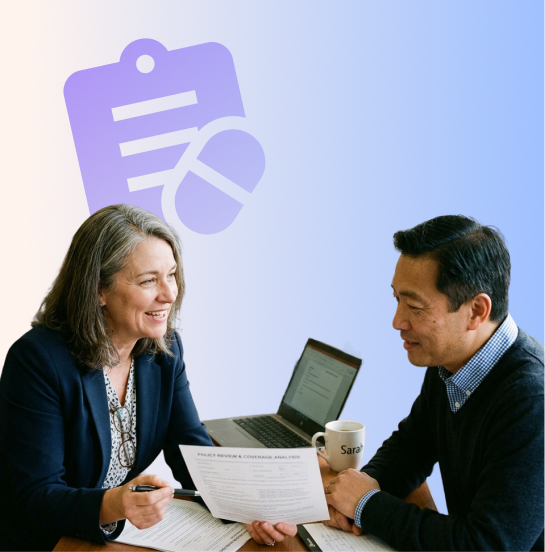
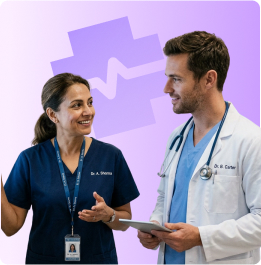
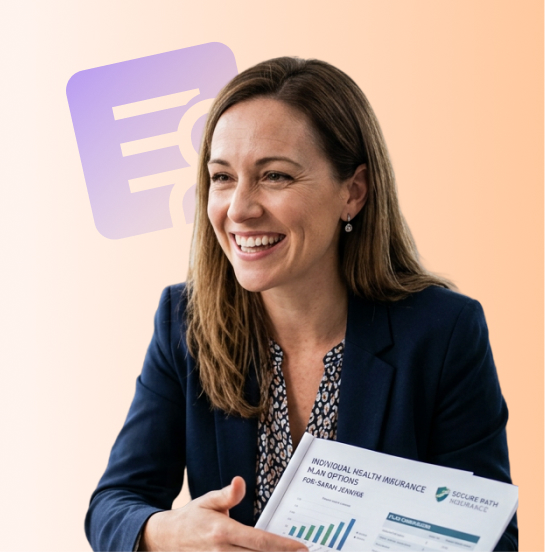
Our custom software development services in New York help enterprises across industries replace manual processes, connect disconnected systems, and give teams software that fits how they actually work.





Why Choose Kanerika for Custom Software Development in New York
As a custom software development company in New York, Kanerika brings certified engineering teams, disciplined delivery practices, and accountability for the date committed at kickoff.
Engineers certified on Microsoft, Databricks, AWS, and modern frameworks, assigned to match your stack.

Sprint cadence, automated regression suites, CI/CD pipelines, and enforced code review on every project.

Working software at each milestone, so schedule confidence comes from evidence, not status updates.

Empowering Alliances
Our Strategic Partnerships
The pivotal partnerships with technology leaders that amplify our capabilities, ensuring you benefit from the most advanced and reliable solutions.



Frequently Asked Questions (FAQs)
How do you handle third-party risk assessments and vendor due diligence?
We complete them as a normal part of onboarding rather than as an obstacle. That covers security questionnaires, SOC 2 Type II and ISO 27001 evidence, penetration test summaries, insurance certificates, and subcontractor disclosure. Vendor review is where engagements stall in regulated industries, usually because the vendor was not prepared. We keep the documentation current so the process runs in weeks, not quarters.
Can you build software that meets audit and examination requirements?
Yes. Audit and examination requirements are captured during discovery and designed into the architecture. That covers role-based access, immutable audit logging, change history, encryption, and evidence generation, so an examiner can trace who changed what and when. We keep control mappings and test evidence current as the build progresses, so audit preparation draws on records that already exist rather than reconstruction after release.
How do you handle accessibility and WCAG conformance?
Accessibility is built into design and tested during development, not audited afterward. We work to WCAG 2.2 AA as the default standard, with automated checks in CI and manual screen reader testing before release. This matters commercially as well as ethically, since accessibility litigation against digital properties is common in New York.
How do you integrate with core banking, trading, or claims platforms?
Through documented interfaces where they exist, and through a controlled integration layer where they do not. Core platforms are rarely modifiable and often cannot be taken offline for testing, so we build against them without altering them, and we validate in a staging environment that mirrors production configuration rather than approximates it.
How is data residency and cross-border processing handled?
Residency requirements are captured during discovery and enforced through architecture. That determines where data is stored, where it is processed, which regions the infrastructure runs in, and what any subprocessor can access. For firms with obligations in multiple jurisdictions, this shapes the deployment model rather than being a configuration choice made later.
What does your security review and onboarding process look like?
We provide our security documentation package upfront rather than waiting to be asked. Engineers complete client-specific training and background checks where required, work within your access controls rather than parallel ones, and follow your change management process. The objective is that your security team finds nothing unexpected, because surprises during review cost weeks.
How are change requests priced and controlled during a build?
Every change is assessed for impact on scope, schedule, and cost, then approved or deferred explicitly before it enters the plan. Nothing is absorbed silently. Silent absorption is how projects arrive at the original date with a third of the scope missing and no record of when that was decided.
What happens to the software after go-live?
Hypercare covers the first weeks at elevated intensity, then settles into defined response times by severity, proactive monitoring, and security patching. Enhancement work runs through an agreed intake process. Where you intend to take over maintenance internally, we run handover in parallel during the final sprints rather than at the end.
Do you work with companies across New York and the tri-state area?
Yes. As a custom software development company serving New York enterprises, we run delivery on Eastern hours, with engineers on site for discovery workshops, user acceptance testing, and go-live support where being in the room helps. Build and ongoing support are delivered by our engineering organization.
What should we look for in a custom software development company in New York?
Ask how they handle your security review before you ask about their tech stack, because that is where most engagements actually stall. Ask who owns the code and whether components are retained. Ask what their accessibility standard is. And ask for a reference on a project that ran into trouble, because how a partner behaves then is what you are buying.