Custom Software Development Company in Dallas
Kanerika offers custom software development for Dallas enterprises that have outgrown their tooling. Applications engineered around your workflows, integrated with the systems you run, and architected for the volume you expect next.
As a software development company headquartered in Austin, Texas, our team works Dallas hours on Central time and can be on site for workshops when a project needs it.
Rated 4.9/5 across 11 review sites · Headquartered in Austin, Texas
Quicker Time to Market
Lower Engineering Costs
Higher Workflow Efficiency




Custom Enterprise Software Development Results From Kanerika Engagements
Whether you need a contained build, engineering capacity beside your team, or long-term product ownership, our Dallas custom software development engagements are structured to match.
Fixed-Scope Project Delivery
- Defined requirements, agreed milestones, acceptance criteria
- Architecture through deployment owned end to end
- Suited to builds with settled specifications upfront
Co-Delivery With Your Team
- Your product owners direct, our engineers execute
- We hold architecture, code quality, release discipline
- Suited to teams short on engineering capacity
Managed Product Engineering
- Continuous delivery against a rolling product roadmap
- Ownership of releases, performance, and technical debt
- Suited to products needing sustained investment post-launch
Full-Lifecycle Custom Software Development Services in Dallas
From technical discovery through to post-launch maintenance, our custom software development services in Dallas cover the full build lifecycle under a single delivery team.

Technical Discovery
- Business objectives converted into a defined technical scope
- Current-state systems audited for integration constraints
- Effort estimates with assumptions documented and shared
Product and Interface Design
- User journeys prototyped before engineering work begins
- Interfaces optimized for task completion and speed
- Component libraries keeping design consistent at scale

Application Engineering
- Web, mobile, and cloud-native application development
- Frontend and backend built to defined standards
- Architecture designed for load, change, and extension

Integration and API Layer
- APIs connecting new applications to existing systems
- Data synchronization across ERP, CRM, and warehouses
- Middleware built where legacy platforms lack interfaces

Quality Engineering and DevOps
- Automated test coverage maintained across every release
- CI/CD pipelines making deployment routine, not risky
- Security review and remediation before production release

Maintenance and Modernization
- Defect resolution and performance optimization
- Enhancement work driven by real product usage
- Legacy modernization and technical debt reduction
Custom Enterprise Software Development Services with Proven Results
See how Kanerika helps enterprises build, modernize, and improve software systems that reduce delays, improve performance, and support long-term growth.
AI/ML & Gen AI
Accelerating Reporting Modernization with Automated Crystal Reports to DevExpress Migration
Impact:
- 73 Reports, Successfully Migrated
- 70% Migration Automated
- 590 Hours, Total Migration Effort
AI/ML & Gen AI
Independent Microsoft Fabric Architecture Review Before a Dynamics 365 Go-Live
Impact:
- ~136 Findings documented before go-live
- ~30 Days estimated for pre-cutover remediation
- 6 Weeks to an independent, evidence-based go/no-go view
AI/ML & Gen AI
Bringing Live QAD ERP Data into Microsoft Fabric with Open Mirroring
Impact:
- 7 QAD data issues resolved before rollout
- 0 Duplicate records when data is reloaded
- 200+ QAD tables connected to Fabric
IMPACT Framework for Custom Software Development Services
IMPACT structures every build from discovery through deployment, so requirements, architecture decisions, and delivery milestones stay connected instead of being managed as separate workstreams.
INNOVATE
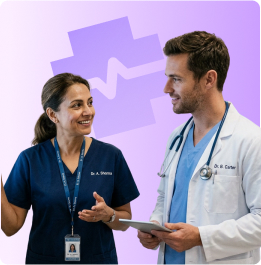
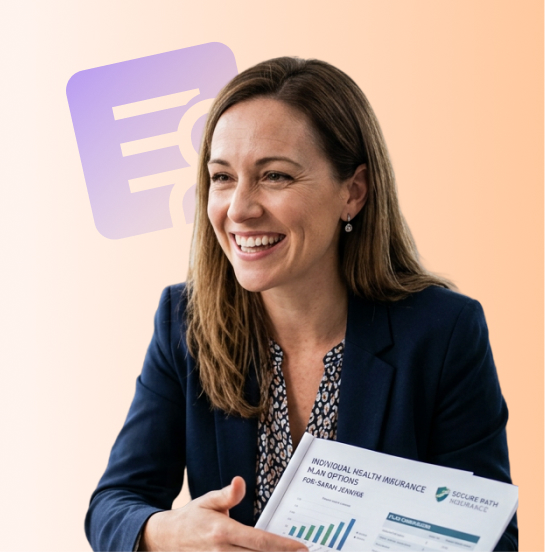
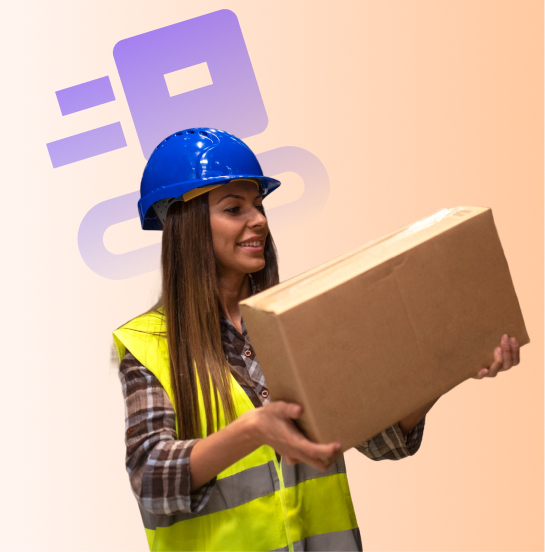
Custom Software Development Across Dallas Industries
Each industry brings its own data, compliance, and integration requirements, and every build is scoped to them.





Why Choose Kanerika for Custom Software Development in Dallas
As a custom software development company in Dallas, Kanerika brings certified engineering teams, disciplined delivery practices, and a record of shipping on scope and on schedule.
Engineers certified across Microsoft, Databricks, AWS, and modern application frameworks, matched to your technology stack.

Agile sprints, automated testing, CI/CD pipelines, and code review standards applied on every engagement.

Milestone-based delivery with working releases at each stage, so timelines are verified rather than reported.

Empowering Alliances
Our Strategic Partnerships
The pivotal partnerships with technology leaders that amplify our capabilities, ensuring you benefit from the most advanced and reliable solutions.



Frequently Asked Questions (FAQs)
What technology stack do you build on?
We work across .NET, Java, Python, Node, React, and React Native on the application side, with Azure, AWS, and cloud-native architecture underneath. Stack selection follows your existing environment and the skills your team can maintain long term, rather than whichever framework we prefer. Building on something your engineers cannot support creates a dependency, not a solution.
Do you offer fixed-price or time-and-materials engagements?
Both, and the right choice depends on how well defined the requirements are. Fixed price suits builds where discovery is complete and scope is genuinely settled. Time and materials suits products still finding their shape. What we avoid is fixed pricing on unclear scope, which forces either padded estimates upfront or difficult change conversations later.
How do you handle security and compliance during a build?
Security requirements are captured during discovery and designed into the architecture rather than reviewed at the end. That covers authentication, role-based access, encryption, audit logging, and data residency. Kanerika holds ISO 27001 and SOC 2 Type II, so the practices your security team will ask about are already documented and operating rather than assembled for your review.
How do you make sure the software scales as we grow?
Scale is an architecture decision made early, not a fix applied later. We design for expected load, define where the system will scale horizontally, and identify the bottlenecks before they become production incidents. Applications that cannot scale are rarely under-resourced. They were built with assumptions nobody revisited once volume changed.
What happens if we want to change vendors later?
You should be able to. Full source, documentation, architecture decision records, and deployment configuration are yours, with no retained components or proprietary frameworks embedded in the build. Vendor lock-in in custom software usually comes from undocumented systems rather than contracts, which is why handover documentation is part of delivery rather than an optional extra.
How is quality assurance handled across the project?
Automated test coverage is built alongside the application, not retrofitted before launch. Unit, integration, and regression suites run on every commit through CI, with manual exploratory testing on each release candidate. User acceptance testing runs with your team on a staging environment that matches production configuration, so nothing surprises anyone at cutover.
Can you build on top of our existing systems instead of replacing them?
Usually yes, and it is often the better economics. We build API layers and middleware over existing platforms, extending what works while replacing only the components that genuinely constrain the business. Full replacement makes sense when the underlying architecture cannot support what you need next. We assess both routes during discovery and present the cost comparison.
What is included in post-launch support?
Defect resolution against agreed response times, performance monitoring, dependency and security patching, and a defined route for enhancement requests. Support runs through a named team: a solution architect, engineers matched to your stack, a QA lead, and a delivery manager who is your escalation point. You meet them before the engagement starts, and the people who scoped the build stay on it.
How much does custom software development cost in Dallas?
Cost tracks feature complexity, integration depth, and support duration. A focused application starts in the low five figures. Dallas custom software development for enterprise environments, with security controls, multiple system integrations, and compliance requirements, typically runs from $50,000 into six figures. Integration with legacy platforms is consistently the largest variable and the most underestimated line in proposals.
What should we look for in a custom software development company in Dallas?
Ask how discovery is run, because underspecified scope causes more failures than weak engineering. Ask who owns the code and whether any reusable components are retained. Ask what happens when requirements change mid-build. ISO 27001 and SOC 2 Type II matter once your data is in scope. And ask for a reference on a project that went badly.