AI-Powered Insurance Eligibility and Coverage Verification
Faster Coverage Verification
Less Manual Verification Work
Reduction in Eligibility Denials












THE PROBLEM
Why Manual Insurance Verification Creates Claim Risk for Providers
Manual checks, fragmented payer data, and complex policy rules can create delays, denials, and avoidable billing costs.
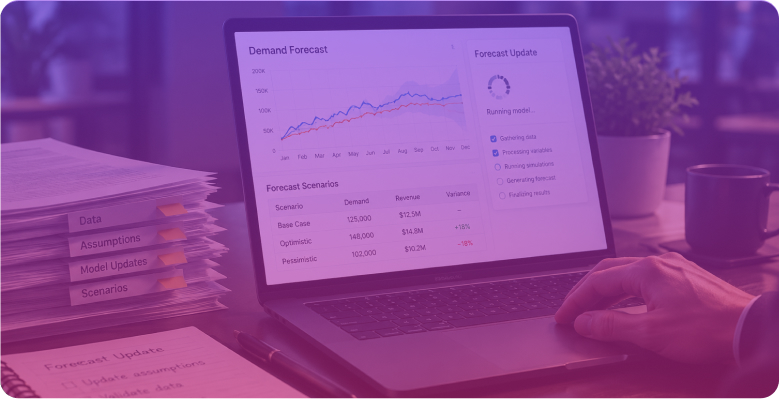
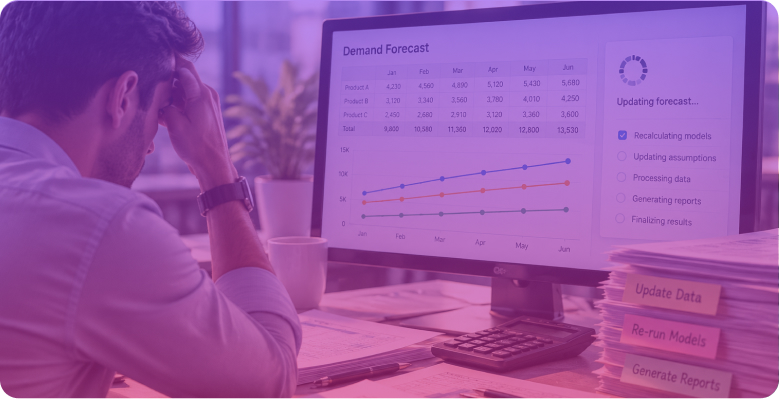
Manual Verification
Multiple payer checks slow coverage confirmation and increase processing time.
Delayed Eligibility Checks
Coverage issues discovered after care can lead to avoidable claim denials.

Complex Payer Rules
Different plans, exclusions, and policy changes complicate consistent verification.
AI-Powered Coverage Intelligence for Faster Claims
AI insurance eligibility verification that checks coverage, validates claims, and routes complex cases for review.
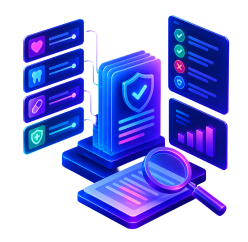
Policy-Aware Coverage Answers
AI insurance eligibility verification that checks coverage, validates claims, and routes complex cases for review.
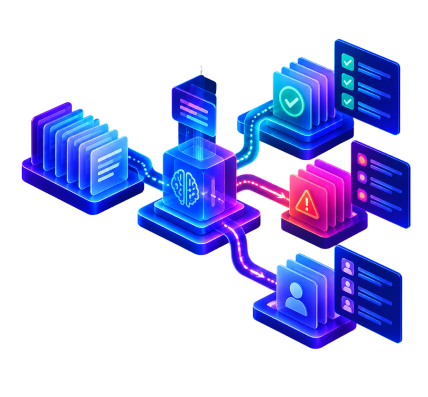
Automated Review and Escalation
Process routine cases automatically and route complex cases for review.
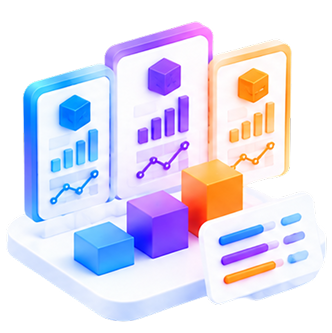
Pre-Submission Claim Validation
Validates claim scenarios against policy terms, exclusions, and conditions. Flags mismatches before claims enter the adjudication cycle.
Real-Time Eligibility Checks
Verify coverage, benefits, copays, and exclusions using connected payer data.
Core Functionality
Where AI Improves Insurance Verification Workflows
Apply AI across eligibility checks, claim validation, and denial management workflows.

1
Verify Coverage Before Care
Confirm eligibility, benefits, and coverage before services are delivered.
2
Validate Claims Early
Check procedures, codes, exclusions, and authorization requirements upfront.
3
Monitor Payer Denial Patterns
Analyze denials by payer, procedure, plan, and coverage issue.
4
Handle Complex Cases
Surface relevant policy terms for secondary and exception scenarios.

5
Automate Verification
Process standard coverage checks while routing complex cases for review.
6
Estimate Patient Costs
Surface benefits, copays, and coverage details before care.
Business Value
Measurable Impact of AI Coverage Verification
Improve claims performance, reduce manual work, and strengthen coverage accuracy across operations.
Faster Verification
Cut coverage verification time from manual checks to seconds.
Higher Claim Acceptance
Improve first-pass acceptance through earlier claim validation.
Better Payer Visibility
Gain clearer insight into recurring denial and coverage patterns.
Greater Operational Efficiency
Reduce repetitive verification work across coverage and claims workflows.
Lower Denial Rates
Reduce preventable denials by catching eligibility issues earlier.
Improved Cost Transparency
Provide more accurate coverage and cost information upfront.
What Leading insurers Say About Our AI
“Eligibility-related denials dropped after we began catching coverage issues before billing.”
Revenue Cycle Manager
Multispecialty Clinic
“Automated verification replaced six payer portal checks and cut manual verification time by over 60%”
Director of Patient Access
Regional Health System
“The AI gives us a cited coverage answer in seconds. Pre-authorization delays dropped significantly.”
VP of Billing Operations
Independent Hospital Network
Built for Smarter Coverage Verification
Policy Document Intelligence
Interpret coverage terms, exclusions, and benefit limits with cited answers.
Real-Time Payer Integration
Connect payer and EHR data for current eligibility and coverage information.
Upstream Claim Validation
Flag coverage gaps, exclusions, and authorization requirements before submission.
Fast Deployment and Control
Deploy alongside existing systems with minimal IT dependency.
Cut Claim Denials With AI Insurance Verification
See how automated insurance verification catches eligibility gaps before billing and speeds up claims.
Frequently Asked Questions (FAQs)
01What is AI-powered insurance coverage verification?
AI-powered insurance coverage verification uses artificial intelligence to check eligibility, benefits, exclusions, policy terms, and claim requirements. It combines payer data with insurance policy documents to answer coverage questions and validate claim scenarios. For healthcare organizations, this can reduce manual eligibility checks, identify coverage issues earlier, and support faster claims processing while keeping answers grounded in relevant policy language.
02How does an AI insurance coverage verifier work?
An AI coverage verifier combines policy document intelligence, payer data, and claims validation. It interprets policy language to identify coverage rules, exclusions, and benefit limits while connected payer and EHR systems provide current eligibility information. The system then compares claim scenarios against applicable policy terms and returns a cited result, helping identify coverage or authorization issues before they create billing problems.
03Can AI verify insurance eligibility in real time?
Yes. When connected to supported payer and EHR systems, an AI coverage verifier can check active eligibility, benefits, copays, exclusions, and other coverage details using current data. Automated checks can run during scheduling, before service, or at defined verification points. This real time eligibility verification reduces repeated payer portal checks and helps healthcare organizations identify eligibility changes before claims reach billing or adjudication.
04How does AI reduce insurance claim denials?
AI can reduce preventable claim denials by identifying eligibility gaps, coverage exclusions, authorization requirements, and policy mismatches before submission. A claims validation system, similar to our claims processing automation, compares planned proceduress and claim information against applicable policy terms and flags potential issues. Addressing these problems earlier reduces downstream denial rework and gives billing teams more time to correct claims before they enter the adjudication process.
05 Can AI interpret complex insurance policy documents?
Yes. The policy intelligence layer can interpret complex insurance documents, including coverage terms, exclusions, benefit limits, conditions, and authorization requirements. Using retrieval-augmented generation, the system answers coverage questions using relevant policy content and provides citations to source clauses. This gives claims and verification teams a traceable basis for coverage decisions instead of relying on unsupported or generic AI-generated answers.
06Which EHR and payer systems can it integrate with?
The platform can integrate with major EHR, practice management, and payer systems through available APIs and supported data connections. Examples include Epic, Oracle Health, athenahealth, and eClinicalWorks. Payer integrations can provide eligibility and benefits data, while policy documents support coverage interpretation where direct data access is unavailable. Integration requirements depend on the systems, workflows, and data sources involved.
07Can it support Medicare, Medicaid, and commercial insurance?
Yes. The platform can support coverage workflows involving Medicare, Medicaid managed care, Medicare Advantage, and commercial insurance plans. It can interpret plan documents, benefit rules, exclusions, and authorization requirements while using connected eligibility data where available. Different payer and plan configurations can be handled within the same workflow, with complex or uncertain cases routed for human review when additional judgment is required.
08Can AI verify secondary insurance coverage?
Yes. The system can support primary, secondary, and tertiary insurance workflows. It can organize available coverage information, interpret applicable plan documents, and identify cases requiring additional coordination-of-benefits review. For complex scenarios, the system provides relevant coverage context and source information to reviewers, helping reduce inconsistent manual checks across multiple insurance plans, payer relationships, and coverage configurations.
09Is AI insurance coverage verification HIPAA compliant?
Healthcare AI deployments can be designed around HIPAA requirements using controls such as encryption, role-based access, audit logging, and appropriate data handling. Kanerika healthcare deployments also support enterprise security and governance requirements, including ISO 27001, ISO 27701, SOC 2, and CMMI Level 3. A business associate agreement can be included where applicable to the healthcare deployment and data-processing arrangement.
10How long does AI coverage verification take to implement?
Implementation depends on payer integrations, EHR connections, workflow requirements, and available data sources. The solution is designed for deployment within approximately 2–4 weeks once required systems and data connections are configured. Implementation typically includes integration, workflow configuration, historical validation, user enablement, and production readiness checks before broader rollout across coverage and claims operations.