AI-Powered Truckload Utilization Optimization
Maximize truck capacity, reduce empty miles, and improve fleet profitability with AI-driven load planning and route optimization.
increase in load utilization
reduction in empty miles
lower transportation costs
Get Started with AI-Powered Truckload Solutions












Enterprise Challenges
Truckload Planning Challenges That Reduce Margins
Manual planning and disconnected systems make it difficult to maximize capacity, control costs, and improve fleet performance.
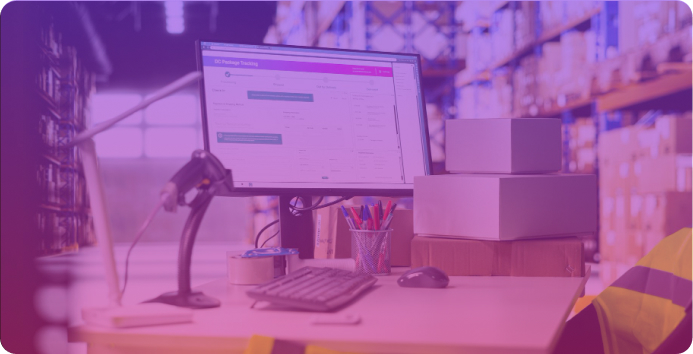
Underutilized Truck Capacity
Partial loads and missed consolidation opportunities increase transportation costs.

Complex Load Planning
Growing shipment volumes make manual load matching slower and harder to scale.

Limited Scenario Visibility
Without predictive analytics, dispatch costs and capacity impacts remain uncertain.
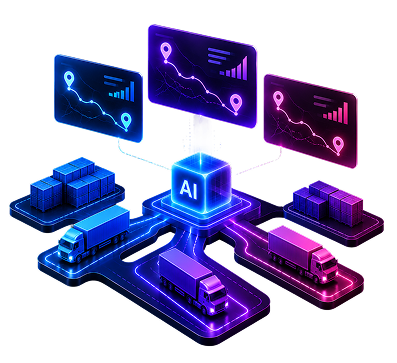
Intelligent Load Optimization for Modern Fleets
AI Load Matching
Match shipments with the right trucks based on capacity and constraints.
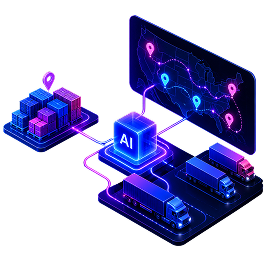
Load Scenario Testing
Compare equipment, routes, and shipment combinations before dispatch.
Multi-Stop Route Optimization
Optimize stop sequences to reduce miles, delays, and fuel costs.
Capacity Forecasting
Predict utilization gaps and identify consolidation opportunities earlier.
Enterprise Use Cases of Truckload Utilization Optimizer
Apply AI across planning, routing, and capacity decisions to improve transportation efficiency.
1
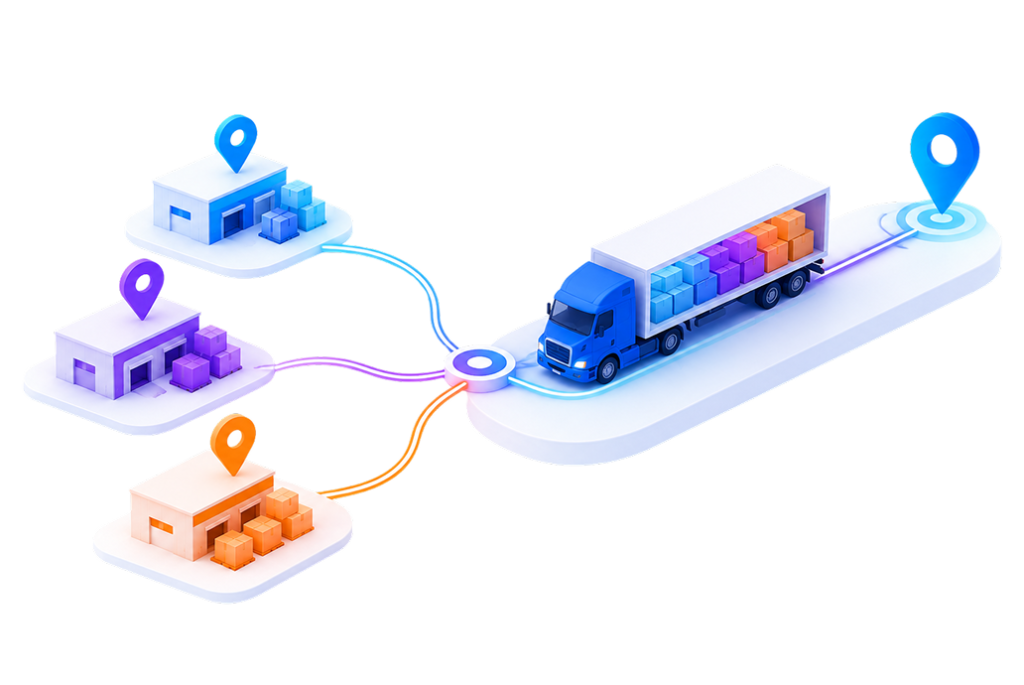
Load Consolidation Planning
Combine compatible loads to improve truck utilization and reduce partial trips.
2
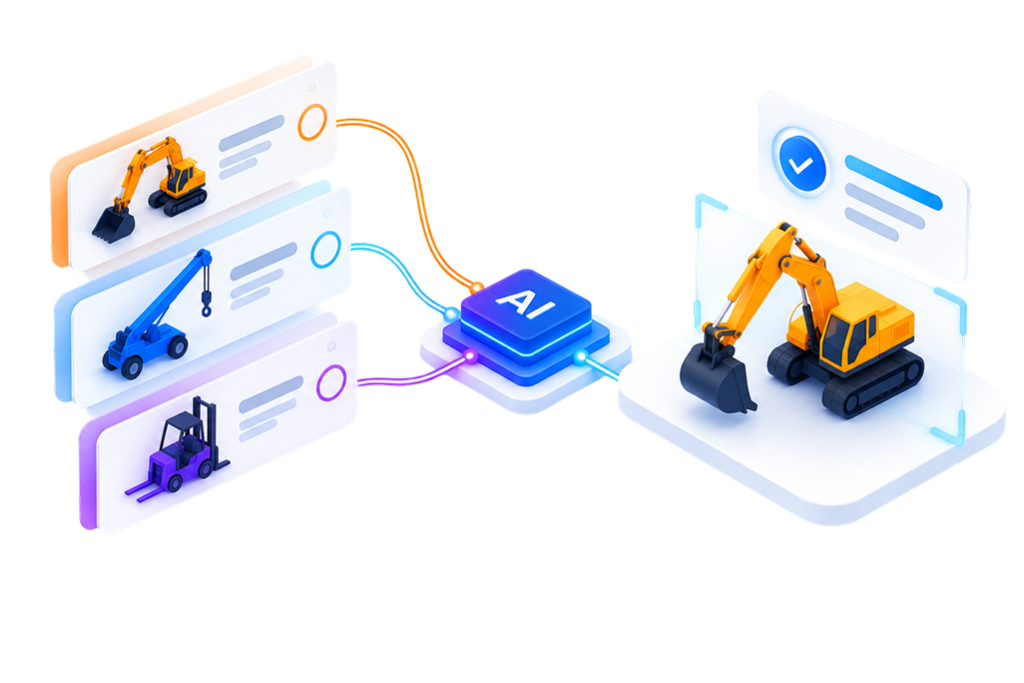
Equipment Selection
Match trailer type and size with shipment requirements and route needs.
3
Lane Profitability Analysis
Evaluate true lane costs before pricing or capacity commitments.
4
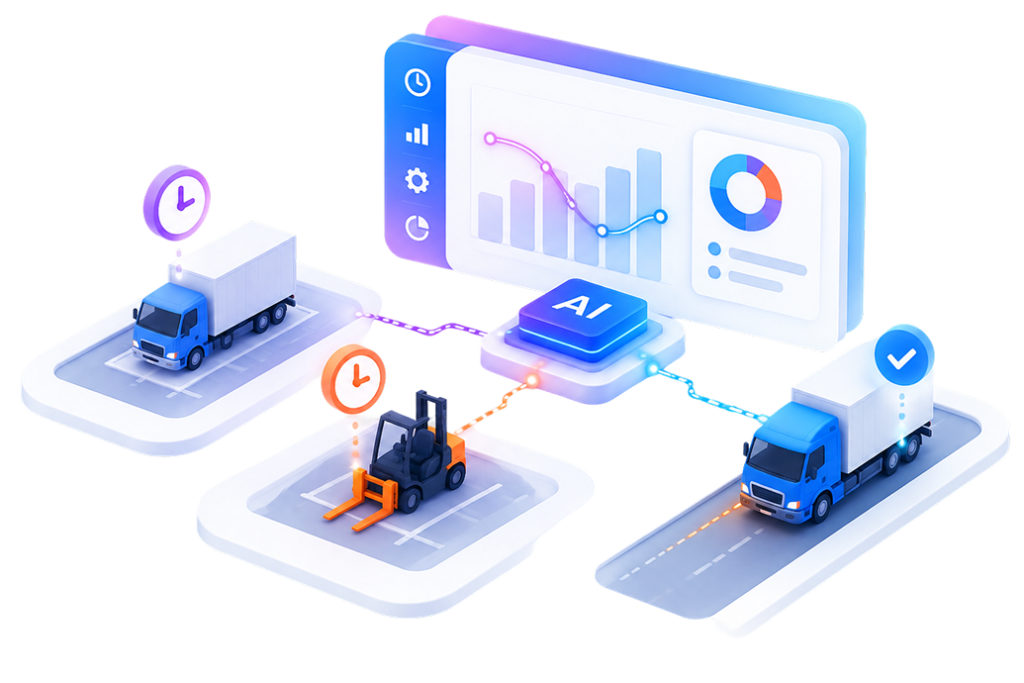
Idle Time Reduction
Identify inefficient routes and improve return load opportunities.
5
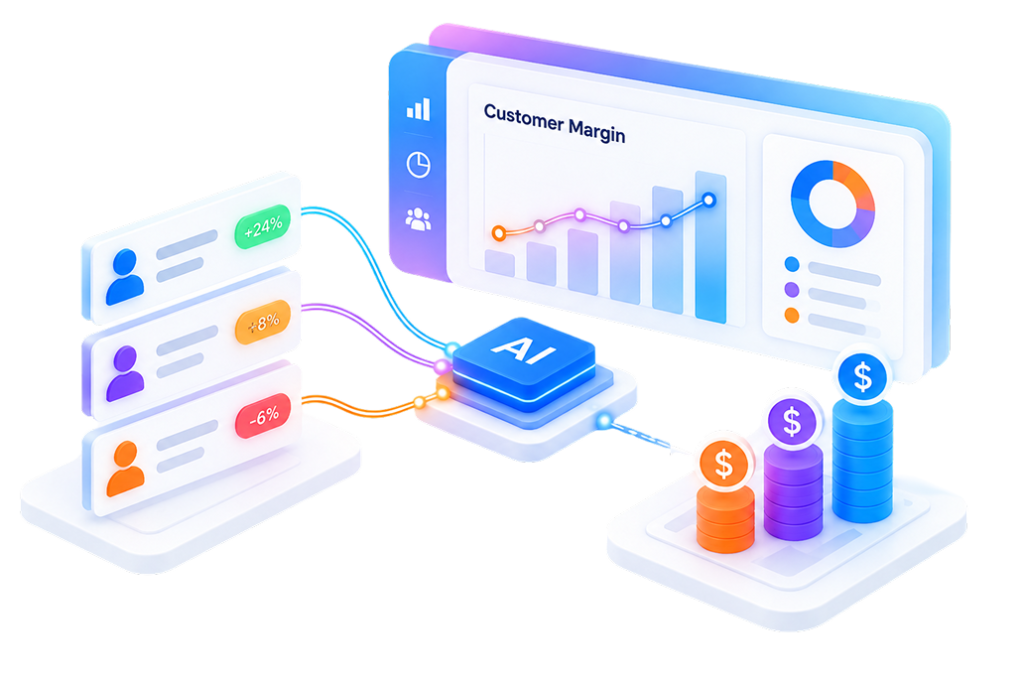
Customer Margin Tracking
Identify inefficient routes and improve return load opportunities.
5
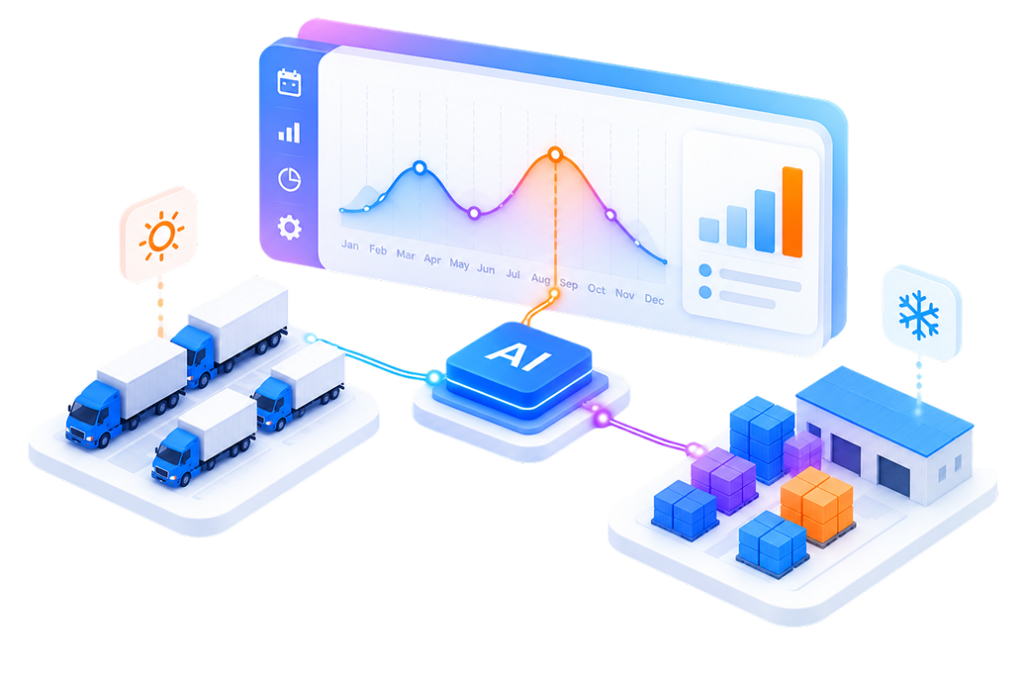
Seasonal Capacity Planning
Forecast demand changes and prepare fleet capacity before peak periods.
Business Value
Measurable Impact of AI Truckload Optimization
Improve fleet efficiency, reduce transportation costs, and make better planning decisions with AI.
Higher Load Utilization
Increase truck fill rates across lanes, customers, and equipment types.
Lower Cost Per Mile
Reduce empty miles and spread costs across fuller loads.
Improved Delivery Performance
Optimize routes to reduce delays and missed delivery windows.
Faster Planning Cycles
Cut manual load planning time with automated recommendations.
Better Fuel Efficiency
Lower fuel consumption through optimized routes and fuller trucks.
Stronger Pricing Decisions
Build accurate lane costs using AI-driven analysis.
What Logistics Teams Say About Our AI Load Optimizer
Testimonials
“AI improved fleet utilization from 67% to 89% by identifying consolidation opportunities we missed manually.”
VP of Fleet Operations
Regional Food Distributor
“Load planning dropped from four hours daily to under forty minutes, freeing time for customer operations.”
Director of Logistics
Mid-Market 3PL
“AI gave us clear lane cost visibility before quoting, improving contract margins by 22%.”
CFO
National Freight Carrier
Differentiators
Built to Maximize Fleet Performance
Shipment-Level Intelligence
Analyze shipment details, capacity, and constraints for better load decisions.
Learns Your Network
Adapt recommendations based on lanes, carriers, customers, and operating patterns.
Supports Dispatch Teams
Provide recommendations and confidence scores while keeping teams in control.
Works With Existing Systems
Connect with TMS platforms without replacing current transportation workflows.
Improve Fleet Profitability with AI Load Optimization
Increase truck utilization, reduce empty miles, and make smarter transportation decisions.
Frequently Asked Questions (FAQs)
01What is AI truckload optimization?
AI truckload optimization uses artificial intelligence to improve how shipments are assigned, consolidated, and routed across available trucks. It analyzes shipment details, equipment capacity, delivery requirements, and operational data to recommend better load configurations. For logistics companies, this helps improve truck utilization, reduce empty miles, lower transportation costs, and make faster planning decisions across complex freight networks.
02How does AI improve truck utilization?
AI improves truck utilization by matching shipment requirements with available equipment capacity, including weight, dimensions, cube space, and delivery constraints. The system identifies consolidation opportunities, underloaded routes, and inefficient configurations that manual planning may miss. By increasing the amount of freight moved per trip, companies can improve load factors, reduce unused capacity, and lower transportation costs.
03How does AI reduce empty miles in transportation?
AI reduces empty miles by analyzing shipment demand, lane patterns, available capacity, and potential return loads. It identifies opportunities to combine shipments, improve routing, and reposition equipment more efficiently. Instead of relying only on historical planning, AI models current operational conditions to suggest decisions that can reduce deadhead movement and improve fleet productivity.
04Can AI load optimization integrate with existing TMS platforms?
Yes. AI truckload optimization platforms can connect with existing transportation management systems through APIs and supported integrations. Common integrations include platforms such as SAP Transportation Management, Oracle Transportation Management, MercuryGate, and BluJay. Integration requirements depend on current systems, available data, and workflow needs. The goal is to add optimization capabilities without replacing existing transportation processes.
05What data does AI need for truckload optimization?
AI load optimization uses shipment details, including weight, dimensions, delivery windows, equipment specifications, historical lane performance, driver availability, and transportation costs. This data allows the model to evaluate capacity usage, routing options, and consolidation opportunities. More operational history helps improve recommendations over time by learning actual fleet patterns and transportation outcomes.
06How quickly can companies see results from AI load optimization?
Results depend on network complexity, data availability, and current planning processes. Many organizations can identify early opportunities in utilization, consolidation, and routing after deployment. As the model learns from operational data, recommendations improve further. Measuring improvements in load factor, empty miles, cost per mile, and planning time helps track the business impact of implementation.
07Can AI optimize both full truckload and LTL shipments?
Yes. AI optimization can support full truckload, LTL, partial truckload, and multimodal scenarios depending on business requirements and available data. The system can compare shipment options and identify when consolidation, mode changes, or alternative equipment choices may improve cost and capacity outcomes while maintaining delivery requirements.
08How does AI help with load planning decisions?
AI evaluates shipment characteristics, available trucks, routes, delivery windows, and operating constraints to recommend better load plans. It can compare multiple configurations quickly and highlight options that improve capacity usage and reduce transportation costs. This helps logistics companies move from manual trial-and-error planning to data-driven decisions before dispatch.
09Is AI truckload optimization suitable for smaller fleets?
Yes. AI truckload optimization can support regional fleets, 3PL providers, and enterprise transportation networks. Smaller fleets may benefit from identifying missed consolidation opportunities and reducing manual planning effort, while larger networks can use AI to manage complex lane, customer, and equipment decisions at scale.
10What business benefits can AI truckload optimization deliver?
AI truckload optimization can improve capacity utilization, reduce empty miles, lower transportation costs, speed planning cycles, and improve lane profitability. Results depend on fleet size, shipment patterns, operational complexity, and existing planning processes. Companies can measure impact through metrics such as load factor, cost per mile, fuel efficiency, planning time, and delivery performance.