
Compliance-Ready Custom Software Development in Philadelphia
Kanerika provides custom software development in Philadelphia for health systems, life sciences firms, insurers and manufacturers that packaged products no longer fit, connecting new applications to your current systems.
Quicker Time to Market
Lower Engineering Costs
Higher Workflow Efficiency
Get Started with Philadelphia Custom Software Development Solutions












Delivery Models Matched to Your Risk and Pace
Pick the model that matches how your Philadelphia business plans budgets and makes decisions. Each one sets scope control, architecture authority and who maintains the code after release.
Phased Implementation Program
- Scope, price and test criteria signed off upfront
- We carry delivery from design to production launch
- Suits projects with written requirements and a fixed budget
Integrated Delivery Team
- You keep product direction and sign off each release
- We supply architecture, code review, QA and deployment engineering
- Suits companies with deep domain knowledge but too few developers
Long-Term Partnership
- Sprint cadence that follows your roadmap, reviewed every quarter
- We stay accountable for uptime, security patching and technical debt
- Suits platforms that will keep changing for years after release
What Our Custom Software Development Services Include
From the first requirements workshop to post-launch support, our software engineering services for Philadelphia companies keep every stage under one contract. Analysts, designers, developers and testers all work for Kanerika, so nobody has to chase accountability across multiple vendors.

Requirements & Planning
- Facilitated sessions that rank requirements against business goals
- Existing workflows documented, including exceptions and edge cases
- A priced roadmap with phases, dependencies and risks

UX & Interface Design
- Clickable prototypes validated by actual users before coding
- WCAG-compliant screens that respect your brand guidelines
- A shared design system keeps expanding products consistent

Full-Stack Development
- Production-ready web, mobile and cloud applications for real users
- APIs and backend services coded to written standards
- Architecture sized for traffic peaks and later features

Systems Integration & Data Flow
- APIs that link new applications with ERP and CRM
- Dependable syncing between your SaaS platforms
- Middleware that opens up legacy systems lacking APIs

Testing & Release Management
- Regression suites run automatically whenever code changes
- Deployment pipelines that stage releases and roll back quickly
- Security scanning and remediation finished ahead of every release

Maintenance & Evolution
- Defects fixed and performance tuned under SLA
- Feature backlog ordered by real usage data from production
- Scheduled refactoring so the codebase stays simple to change
Enterprise Software Development Results We Have Delivered for Clients
Selected Kanerika engagements where clients modernized core applications, removed manual reporting, lowered upkeep costs and kept operations online.
AI/ML & Gen AI
Independent Microsoft Fabric Architecture Review Before a Dynamics 365 Go-Live
Impact:
- ~136 Findings documented before go-live
- ~30 Days estimated for pre-cutover remediation
- 6 Weeks to an independent, evidence-based go/no-go view
AI/ML & Gen AI
Bringing Live QAD ERP Data into Microsoft Fabric with Open Mirroring
Impact:
- 7 QAD data issues resolved before rollout
- 0 Duplicate records when data is reloaded
- 200+ QAD tables connected to Fabric
AI/ML & Gen AI
Detecting Rental Transaction Risk Early with AI-Powered Risk Intelligence
Impact:
- ~500 Risk findings surfaced
- ~1.2M Financial exposure identified
- 6 Risk categories used to classify findings
How IMPACT Guides Each Philadelphia Software Project
Every Philadelphia build follows the same IMPACT sequence, from discovery through release, which keeps scope, architecture decisions and business results connected.
INNOVATE
Software Built for Philadelphia’s Core Industries
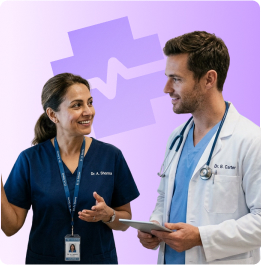
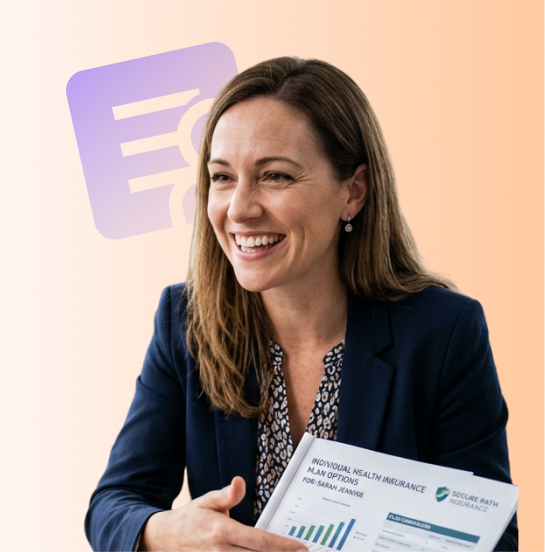
Greater Philadelphia’s economy leans on health systems, pharmaceutical and life sciences companies, banks, insurers and the Delaware River port. Our software work follows those sectors.






Why Hire Kanerika as a Custom Software Development Company in Philadelphia?
Software projects usually overrun because scope stays vague and integration work goes unpriced. Our software engineering practice for Philadelphia organizations resolves both in discovery, so the first sprint starts with costs already understood.
ISO 27001, SOC 2 and CMMI Level 3 controls protect your code and data.

Azure, Fabric and Databricks engineers, backed by Microsoft Solutions Partner status for Data and AI.

You see running software at each sprint review, which tells you more than any status report could.

Empowering Alliances
Our Strategic Partnerships
The pivotal partnerships with technology leaders that amplify our capabilities, ensuring you benefit from the most advanced and reliable solutions.



Questions Philadelphia Businesses Ask Us
How can we vet a custom software development company in Philadelphia before signing?
Look first at how the firm runs discovery and defines scope before giving a price, since vague requirements derail more projects than poor code does. Find out who makes architecture calls and how changes get priced. If patient, financial or research data is involved, confirm ISO 27001 and SOC 2. Then request references from your sector and ask how the vendor recovered a project that went badly.
Will your engineers keep Eastern time hours for our Philadelphia business?
Yes. Philadelphia runs on Eastern time, and so do our standups, sprint reviews and release windows, which means questions get answered while your stakeholders are at their desks. You get a named delivery lead who sits in on planning. Day-to-day work happens remotely, and we add onsite workshops when needed for discovery, design reviews or launch planning. Organizations in New Jersey and New York follow the identical schedule with us.
How are HIPAA and FDA rules built into healthcare and life sciences applications?
We capture regulatory requirements during discovery and design them in from day one. Healthcare builds get role-based access, audit logs, encryption and business associate agreements. Life sciences builds get validation documentation, electronic signatures and audit trails mapped to FDA 21 CFR Part 11. Pennsylvania has no comprehensive privacy law, so sector rules lead. Your compliance team approves final interpretations.
Who holds the rights to the source code after delivery?
Your company does. Our contract assigns intellectual property to you, and the handover package includes the repository, documentation, infrastructure templates and deployment scripts. Ask every vendor on your shortlist about this point. Some keep ownership of in-house frameworks they embed in client applications, and that can restrict later changes, licensing or a sale of the product.
Is upgrading our current platform smarter than replacing it outright?
Start by asking which parts of the current platform still earn their keep. If the core business rules are correct and users mainly struggle with screens, integrations or aging hosting, modernizing piece by piece carries less risk and finishes sooner. If the design caps growth, patches keep piling on, or vendor support has stopped, a rebuild pays off. A code and architecture review in discovery settles it, and a phased blend of both is common.
Can your engineers join our in-house development staff?
Yes. That arrangement is exactly what our integrated delivery team model covers. Product direction and business logic remain with your developers; we bring architecture leadership, delivery discipline and more engineering hands. Ahead of the first sprint we settle branching, code review rules and who decides what, so neither group is guessing about ownership.
How do our own engineers take over the finished application?
We treat handover as a process that runs for the length of the project. Your engineers pair with ours, read the architecture decision records as they are written, and receive runbooks for deployment, monitoring and the incidents most likely to occur. They will have shipped code of their own before launch, so taking charge feels familiar.
What kind of support continues after launch day?
After launch we fix defects within agreed response times, monitor uptime and performance, and apply dependency and security patches on a regular schedule. Enhancement requests go through a lightweight intake process. Once the included support period ends, you can switch to a maintenance plan or a long-term engineering partnership if the product still needs new features.
How much does a Philadelphia software build cost?
Three things set the price: how many features you need, how hard the integrations are, and how long support runs after go-live. Focused applications tend to start in the low five figures. When a build adds security controls, several connected systems and compliance work, expect from $50,000 up into six figures. Hooking into older platforms is where estimates slip, so discovery costs it before you approve a budget.
What timeline should we expect for a custom build?
For a single application, plan on eight to sixteen weeks between kickoff and launch. Programs that touch legacy platforms, need role-based access or pass through compliance review often stretch to six months or beyond. Releases come in phases and each milestone delivers usable software, so people start benefiting long before the last release.