Custom Software Development Company in Leeds
Quicker Time to Market
Lower Engineering Costs
Higher Workflow Efficiency




Three Ways to Build With Kanerika in Leeds
Leeds businesses choose between three working models, each deciding who owns scope and priorities, who leads architecture, and who keeps the software healthy after launch day.
Project-Based Delivery
- Budget, scope, and acceptance tests locked early
- Kanerika owns the outcome through to release
- Ideal when needs and funding are already clear
Shared Build Model
- You direct the product and approve each release
- Our engineers handle architecture, build quality, and deployment
- Ideal for domain specialists who need extra engineering muscle quickly
Managed Engineering
- Steady sprints aligned to your product roadmap
- We handle releases, security, and technical debt
- Ideal for platforms that must keep evolving after launch
Bespoke Application Development Services
One accountable delivery team in Leeds covers discovery, design, development, integration, testing, and support, so there is a single point of responsibility instead of a chain of suppliers. See the full scope of our custom software development services, or how we deliver across the UK.

Discovery & Planning
- Organisational goals shaped into a precise technical scope
- User flows and rules captured before any code
- A roadmap listing estimates, dependencies, and anticipated risks

UI/UX Design
- Early prototypes validated through short user testing rounds
- Screens designed around task success, not mere decoration
- Design systems that stay coherent as products expand

Custom Application Development
- Web and mobile software built for real-world load
- Well-structured code reviewed against clearly documented engineering standards
- Architecture that handles growth without disruptive, expensive rework

API & System Integration
- APIs that connect new software with existing systems
- Supplier and partner data synchronised automatically
- Connectors for older legacy platforms without modern interfaces

Quality, DevOps & Security
- Automated checks plus hands-on testing before each launch
- Delivery pipelines that make releases uneventful and safe
- Security flaws found and resolved before production release

Support & Software Enhancement
- Fast defect fixes and performance care
- Enhancements chosen using genuine analytics and user insight
- Gradual refactoring that retires old accumulated technical debt
Enterprise Software Outcomes Delivered for Real Clients
Explore how Kanerika has helped enterprises build and modernise software, reducing delays, strengthening performance, and enabling long-term growth.
AI/ML & Gen AI
Independent Microsoft Fabric Architecture Review Before a Dynamics 365 Go-Live
Impact:
- ~136 Findings documented before go-live
- ~30 Days estimated for pre-cutover remediation
- 6 Weeks to an independent, evidence-based go/no-go view
AI/ML & Gen AI
Bringing Live QAD ERP Data into Microsoft Fabric with Open Mirroring
Impact:
- 7 QAD data issues resolved before rollout
- 0 Duplicate records when data is reloaded
- 200+ QAD tables connected to Fabric
AI/ML & Gen AI
Detecting Rental Transaction Risk Early with AI-Powered Risk Intelligence
Impact:
- ~500 Risk findings surfaced
- ~1.2M Financial exposure identified
- 6 Risk categories used to classify findings
Delivering Leeds Software Projects Through IMPACT
On every Leeds project IMPACT links discovery, architecture, and delivery to business goals, so nothing drifts as the work progresses.
INNOVATE
Leeds Industries We Build Software For


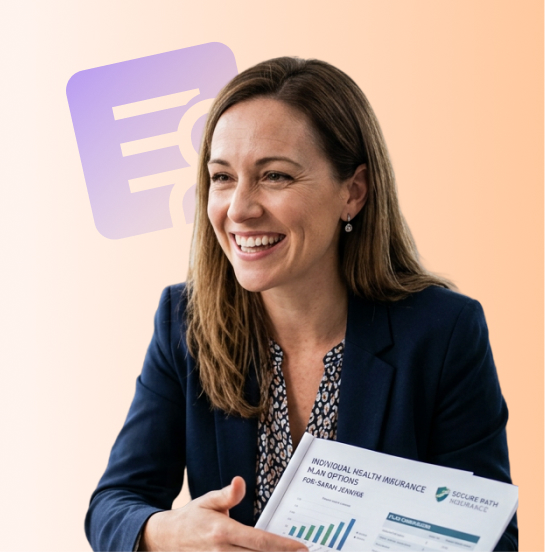




Why Leeds Organisations Pick Kanerika for Legacy Software Modernisation
Software projects go wrong on unclear scope and hidden integration work. Every Leeds engagement resolves both during discovery, well before development sprints are scheduled. Teams that want AI built into the software can pair this with our AI consulting services in the UK.
Engineers hold certifications in Microsoft, Databricks, and current application frameworks, and are matched to your stack.

Agile sprints, automated testing, CI/CD pipelines, and enforced code review come standard with every project.
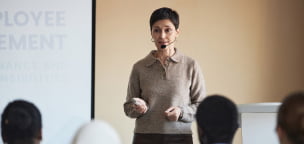
Every milestone delivers working releases, so Leeds stakeholders can confirm progress against running software.

Empowering Alliances
Our Strategic Partnerships
The pivotal partnerships with technology leaders that amplify our capabilities, ensuring you benefit from the most advanced and reliable solutions.



Frequently Asked Questions (FAQs)
What makes a good custom software development company in Leeds?
Look for a partner that runs discovery before pricing, is clear about who owns architecture, and explains how changes are costed. Ask about ISO 27001 and SOC 2 for sensitive data, and request references from similar organisations, including how a difficult project was brought back on track. Request a sample sprint plan so you can judge how risks are surfaced early.
Do you keep to UK hours for Leeds clients?
Yes. Planning, reviews, and releases run on UK time, including the GMT and BST switch, with a named delivery lead on every engagement. Work is mostly remote, and workshops in Leeds can be arranged for discovery, design reviews, or launch preparation. Dial-in and on-site options are both available for workshops, depending on what suits your people. We work with organisations in London, Manchester and Birmingham under the same delivery model.
How is customer data kept compliant with UK GDPR?
Protection starts in discovery with data mapping, lawful basis, consent, and subject access and erasure processes, backed by role-based permissions and audit trails. Our work runs under ISO 27001, ISO 27701, and SOC 2 controls, while your data protection officer signs off the legal position. Staff with production access complete security training before joining.
Who holds the intellectual property afterwards?
You do. The contract assigns intellectual property to your organisation, and everything needed to run the software transfers at completion, including repositories, documentation, infrastructure templates, and deployment scripts. Verify this with any supplier, since some keep rights to underlying frameworks. Third-party and open-source components are listed with their licences, so you know exactly what you are adopting.
Is legacy software modernisation cheaper than rebuilding?
Often, yes, when business rules still work and only the platform has aged, because you keep proven behaviour and avoid starting over. A rebuild wins when the design blocks all new requirements or the technology is unsupported. Discovery compares both on cost, risk, and speed. Risk registers are updated whichever route you choose. In practice many organisations choose a phased route, replacing the weakest components first while the rest of the platform keeps running.
Can your engineers work inside our own development group?
Yes. In the shared build model your product owners keep control of priorities while our engineers lend architecture leadership and capacity from day one. We settle branching strategy, review rules, and decision rights before sprint one. Your tools, repositories, and ticketing stay where they are; we adapt to your workflow rather than imposing ours.
How does the handover to our staff work?
Handover runs alongside delivery. Your engineers pair with ours, read architecture decision records, and receive runbooks for deployment, monitoring, and incidents, so they have shipped changes before go-live and take ownership with confidence. Documentation is reviewed with your engineers before sign-off rather than written afterwards, so nothing lives only in someone’s head.
Is Kanerika a software development company Leeds firms can keep on for support?
Yes. After launch you can retain us for defect fixes within agreed response times, monitoring, and security patching, or move to ongoing product engineering when new features are needed. Requests follow a clear, documented intake process. Service levels are put in writing, so response expectations are clear before the first incident arrives.
What should Leeds organisations budget for bespoke application development?
Budget depends on scope, integrations, and support. Focused applications often start in the low five figures, while enterprise builds with security controls, multiple integrations, and regulatory needs usually run to six figures. Legacy integration is commonly underestimated. Costs are broken down by phase, so you see what discovery, build, and support each contribute. Cloud hosting and licence costs are listed separately from engineering effort.
How soon can users start using the software?
A standalone application usually reaches launch in eight to sixteen weeks. Larger programmes with legacy integration and regulatory review may take six months or longer. We deliver in phases, so working software reaches users at every milestone, not only at the end. A thin first release often goes live in weeks, with later releases adding depth.