Stock Smarter with AI Inventory Optimization
Predict demand, optimize inventory levels, and make smarter stocking decisions across every location with AI Inventory Optimizer.
Demand Forecast Accuracy
Faster Inventory Planning
Reduction in Holding Costs
Get Started with AI Inventory Optimization Solutions












Enterprise Challenges
Where Inventory Management Breaks Down at Scale
Disconnected systems and outdated processes create inventory gaps, excess stock, and missed demand signals.
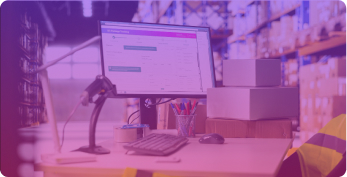
No Unified Inventory Visibility
View gaps across stores, SKUs, and systems with disconnected inventory data.

Inventory Imbalance Across Locations
Balance inventory levels and reduce excess stock and missed demand.

Manual Planning at Scale
Replace slow reviews with faster, data-driven inventory decisions.
Real-Time Inventory Intelligence for Enterprises
Demand Forecasting at Scale
Predict demand using sales trends, seasonality, and lead times.
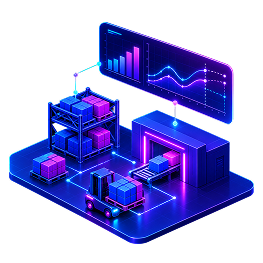
Built In Scenario Planning
Simulate promotions, demand spikes, and supply changes before decisions.
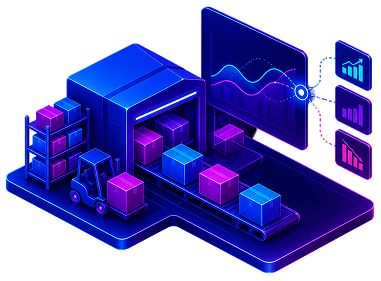
Smart Reorder Intelligence
Optimize reorder points and safety stock as demand changes.
Real-Time Inventory Visibility
Track inventory gaps, stock levels, and replenishment needs in one view.
Enterprise Applications of AI Inventory Optimization
See how teams benefit from AI-driven cost analysis across day-to day logistics decisions
1
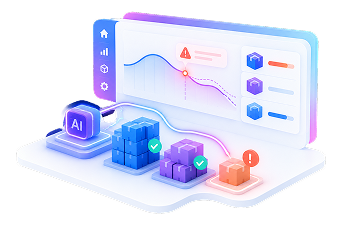
Prevent Stockouts Early
Identify at-risk SKUs and replenish before shortages impact sales.
2
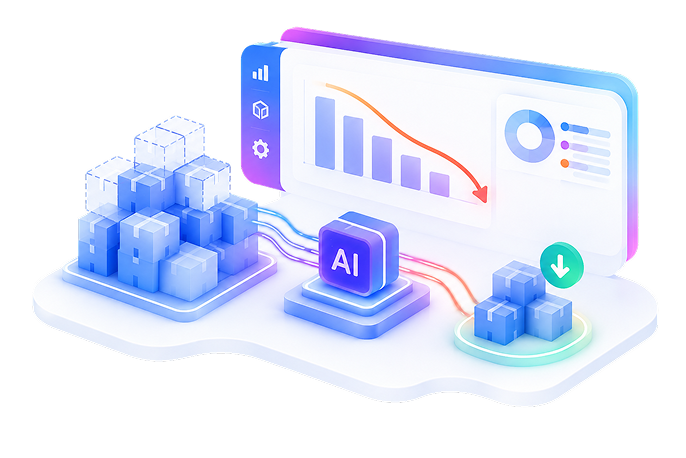
Cut Excess Inventory
Find overstocked products and redirect inventory based on demand.
3
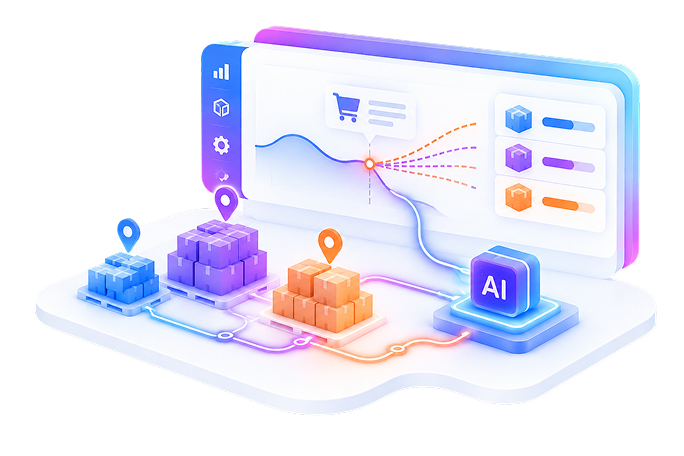
Optimize Replenishment Decision
Calculate the right order quantity and timing for each SKU.
4
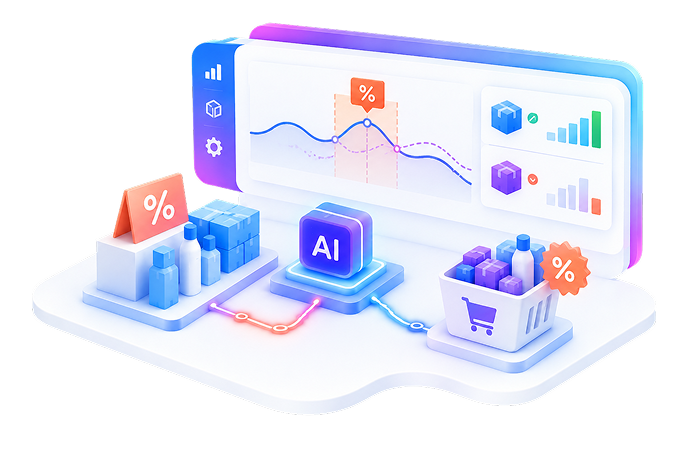
Plan Promotions with Precision
Forecast inventory needs for promotions and seasonal demand changes.
5
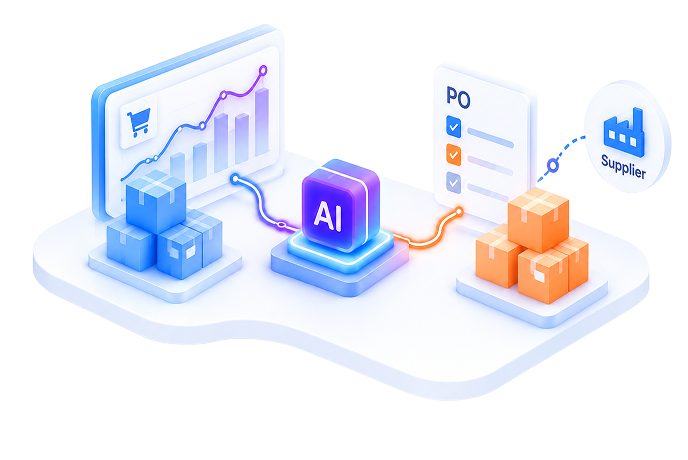
Align Procurement to Demand
Link purchasing decisions with real sales patterns and demand signals.
Business Value
Measurable Gains Across Pricing and Margins
Turn logistics cost intelligence into faster pricing, stronger margins, and better planning across operations.
Higher Stock Availability
Reduce stock outs with early demand signals and proactive replenishment.
Lower Inventory Costs
Reduce excess stock by aligning inventory levels with actual demand.
Improved Forecast Accuracy
Make better stocking decisions with demand-driven inventory predictions.
Faster Replenishment Decisions
Automate SKU-level recommendations for quicker ordering decisions.
Better Store-Level Performance
Balance inventory across locations based on demand and sales patterns.
Increased Planning Efficiency
Reduce manual analysis and help teams focus on strategic decisions.
Hear from Our Clients
Testimonials
“AI unified inventory planning across 40 stores, reducing stockouts and manual replenishment work.”
Head of Inventory Operations
Mid-Market Retail Chain
“Replenishment planning dropped from two days to overnight, improving team efficiency.”
Supply Chain Director
Consumer Goods Brand
“Early stockout alerts help us act before sales are lost and keep products available.”
VP of Operations
Specialty Retailer
Differentiators
Advanced AI for Enterprise Inventory Optimization
Store-Level Precision
Generate SKU-level recommendations based on local demand patterns.
Real-Time Recalibration
Continuously adjust inventory decisions as demand signals change.
AI Recommendations, Not Just Reports
Prioritize actions with clear insights, impact, and confidence levels.
Built for Operations Teams
Enable teams to optimize inventory without technical expertise.
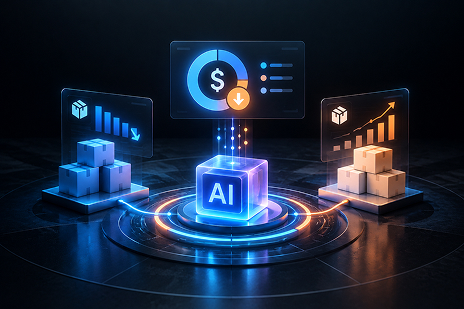
Optimize Inventory Spend with AI Precision
Frequently Asked Questions (FAQs)
01What is AI inventory optimization and how does it work?
AI inventory optimization uses machine learning to analyze sales velocity, demand patterns, lead times, and store-level data to generate precise stocking recommendations. Instead of relying on historical averages or manual reorder rules, the AI models demand continuously and surfaces the right quantity, at the right location, at the right time. Retail and supply chain teams use it to prevent stockouts, reduce excess inventory, and align procurement with actual consumer demand signals.
02How does AI reduce stockouts in retail inventory management?
AI improves pricing decisions by evaluating large combinations of products, markets, price points, and demand patterns faster than manual analysis. It predicts how customers may respond to different prices and shows the expected revenue and margin impact before implementation. This helps pricing teams move from reactive adjustments to data-driven strategies based on demand signals and competitive conditions.
03How is AI inventory optimization different from traditional inventory management software?
Dynamic pricing AI analyzes historical sales, current demand patterns, competitor prices, and market conditions to recommend optimal price adjustments. The model evaluates different pricing scenarios and predicts expected changes in sales volume and revenue. Businesses can use these insights to adjust pricing based on market shifts while maintaining target margins and revenue objectives.
04How does AI demand forecasting improve inventory planning accuracy?
AI pricing systems can evaluate multiple pricing strategies, including premium pricing, value-based pricing, and balanced margin-volume approaches. The model compares each option based on projected demand, revenue, and profitability impact. Smart Pricing AI ranks available strategies and provides transparent reasoning behind recommendations, helping businesses choose pricing approaches aligned with their commercial goals.
05Can AI inventory optimization work across multiple store locations?
Yes. AI inventory optimization is built for multi-location visibility and control. The system tracks inventory positions, demand patterns, and replenishment timelines at the individual store-SKU level across your full location network. It surfaces which stores are overstocked, which are at risk, and where inventory should be redistributed to match actual demand. This replaces disconnected spreadsheets and manual location-by-location reviews with one unified inventory intelligence layer.
06How does AI-powered replenishment reduce excess inventory and holding costs?
AI calculates reorder quantities based on current demand velocity, not static par levels or periodic averages. This prevents over-ordering by accounting for lead times, current stock positions, and projected demand at each location. Excess inventory drops because replenishment matches actual consumption patterns rather than historic purchase habits. Lower holding costs, reduced markdown frequency, and better working capital utilization are the direct downstream effects of demand-matched procurement.
07What data does AI inventory optimization need to generate accurate recommendations?
The system uses historical sales data, current stock levels, supplier lead times, product-level velocity, and store identifiers. More historical data improves initial accuracy, but the model starts delivering usable recommendations even with limited inputs. It connects to existing ERP and inventory management systems via API, so data flows in automatically without manual uploads. Most enterprises complete initial integration within two to four weeks depending on system complexity.
08How long does it take to see results from AI-driven inventory management?
Operational improvements — faster replenishment decisions and reduced manual review time — are visible within the first week. Forecast accuracy improves over 60 to 90 days as the model learns your demand patterns and seasonal cycles. Most supply chain and retail teams reduce excess inventory and stockout frequency within the first quarter. Full ROI, including holding cost reduction and lost sales prevention, builds progressively as the AI accumulates actuals from your operating environment.
09Does AI inventory optimization integrate with ERP and warehouse management systems?
Yes. The platform connects to common ERP, WMS, and POS systems via API, consolidating inventory and sales data into one forecasting and optimization model. This eliminates manual data pulls between disconnected tools. Once connected, stock levels and sales actuals update automatically, keeping AI recommendations current without analyst intervention. Integration timelines vary by system complexity and are typically completed within two to four weeks for standard ERP environments.
10What is safety stock and how does AI determine the right safety stock level?
Safety stock is the buffer inventory held to protect against unexpected demand spikes or supplier delays. Traditional methods set safety stock using fixed formulas or judgment calls. AI calculates safety stock dynamically at the store-SKU level by modeling demand variability, supplier reliability, and service level targets simultaneously. The result is a safety stock level that adjusts as conditions change — preventing both the overstock that static buffers create and the stockouts that no buffer causes.