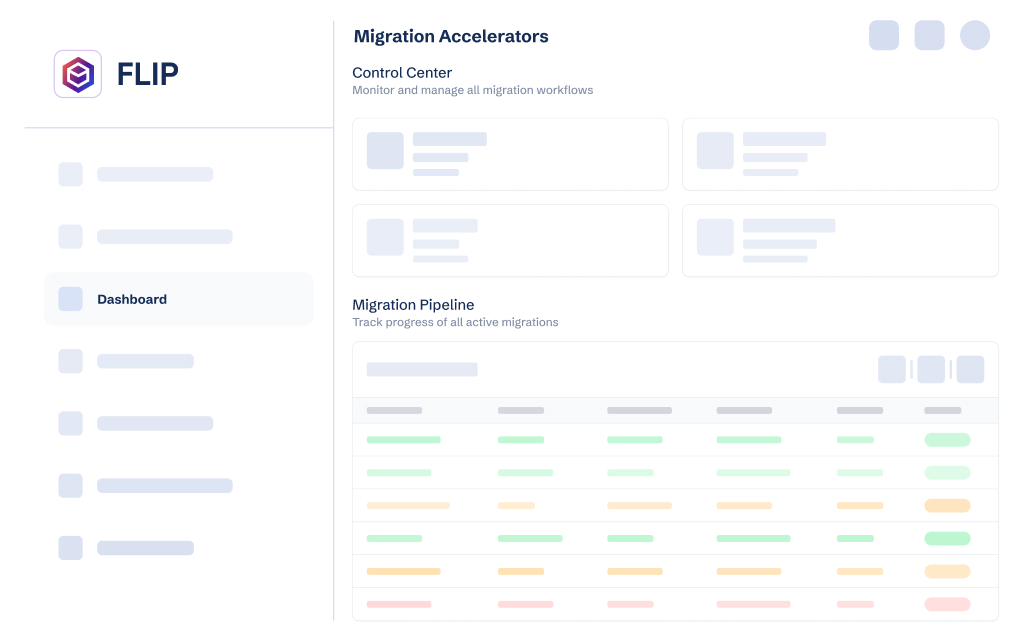
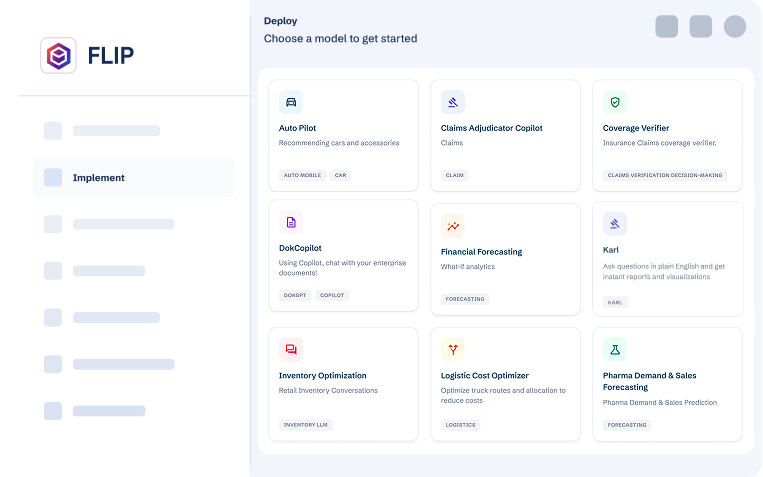
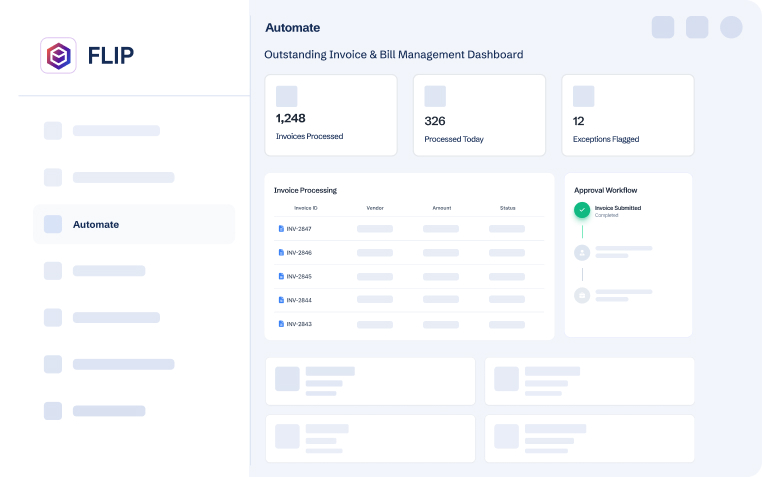
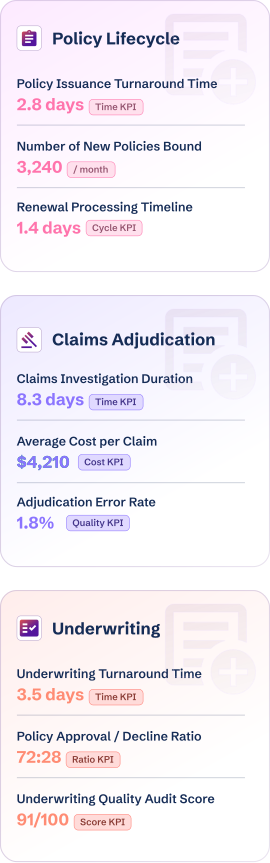
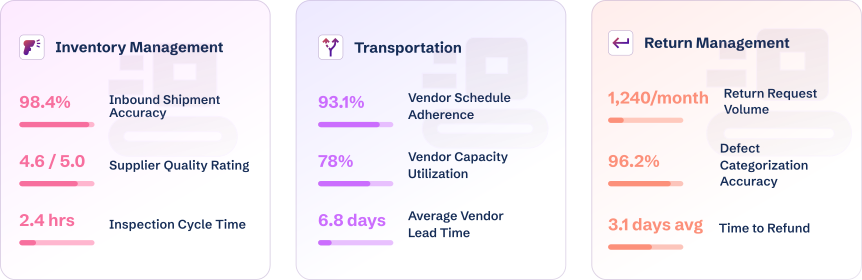
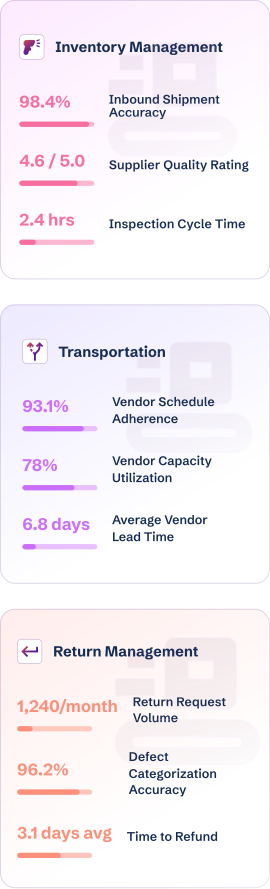
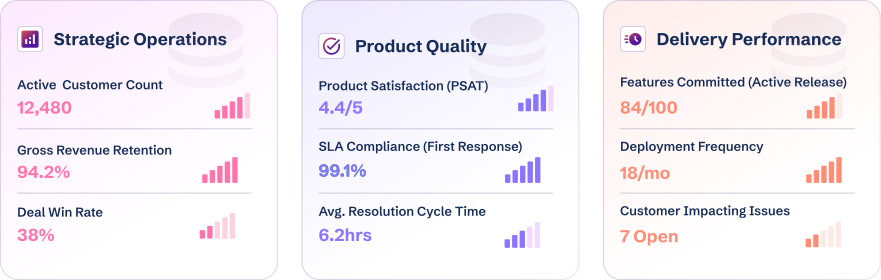
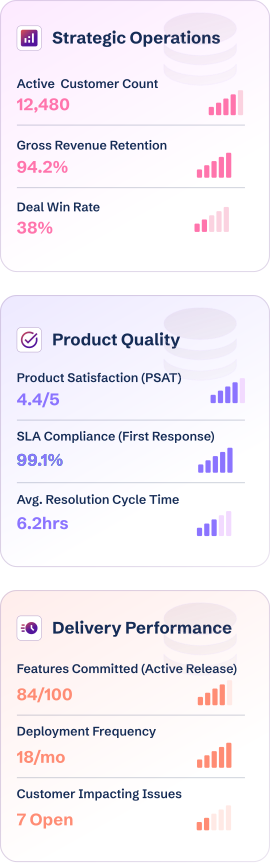
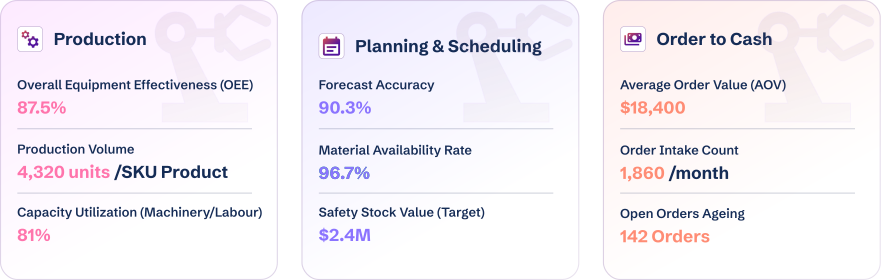
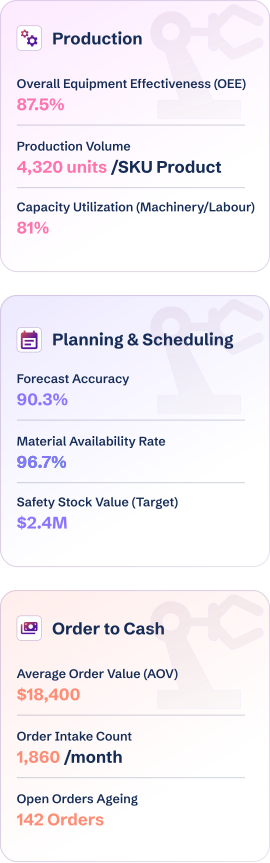
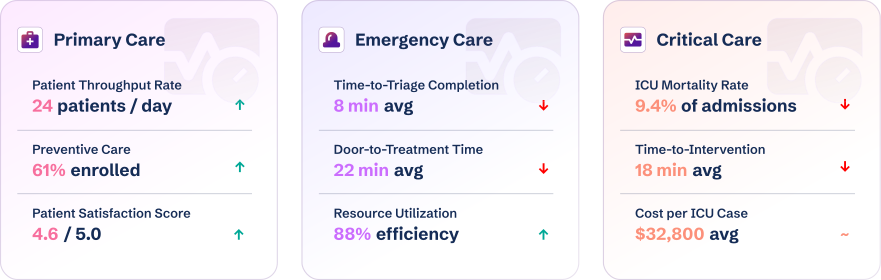
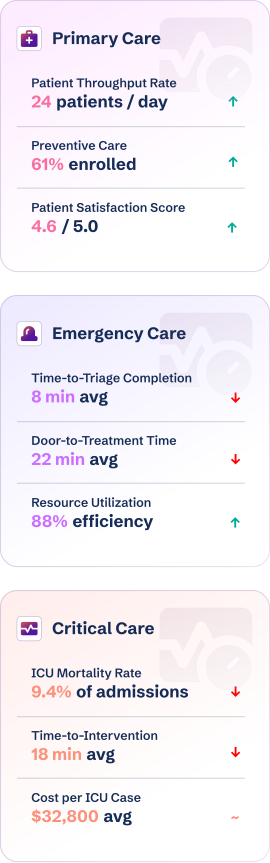
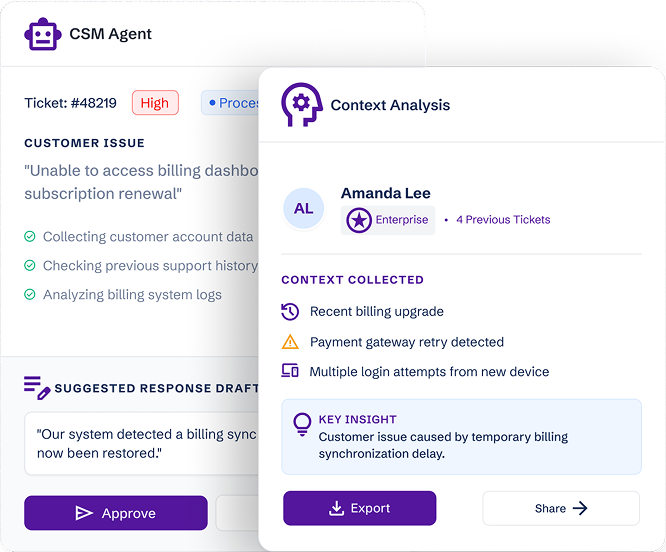
FLIP is Kanerika's proprietary data automation platform with accelerators for data migration, ETL migration services, and RPA transitions. Each accelerator automates discovery, conversion, and validation across 17 supported migration paths.
KBR Modernized Operations through Automated Extraction and Self-Service Pipelines
Kanerika used FLIP to automate KBR’s unstructured data extraction, replace manual ETL processes, and give teams self-service pipeline tools for faster onboarding and better decisions.
A Smart Connectivity and Mobility Services Provider Automated Data Delivery with FLIP
Kanerika’s FLIP replaced a $80-per-change custom coding process, automatically translating device messages into each customer’s required format across JSON, Excel, and Kafka.
A Real Estate Developer Streamlined Vendor Processing with LLM Document Intelligence
Kanerika built an LLM-based solution that reads thousands of unstructured vendor agreement PDFs and lets procurement teams query contracts directly through a chat interface.
A Consumer Electronics Firm Unified Its Data Through Informatica to Fabric Migration
Kanerika migrated product, sales, and inventory data flows from Informatica pipelines to Microsoft Fabric, giving business teams faster access to sales and stock data.
FLIP is an AI-powered no-code/low-code data automation platform that helps organizations manage data operations, analytics, and system migrations easily. It simplifies complex workflows, saves time, and empowers business teams to work independently without technical expertise.
Who can use FLIP?
FLIP is designed for everyone, from data analysts and finance teams to business leaders. Even non-technical users can automate workflows, analyze data, and manage migrations with ease through its simple drag-and-drop interface.
How does FLIP help with DataOps?
FLIP streamlines data operations by automating collection, cleaning, transformation, and validation. Its low-code interface helps users design pipelines visually, ensuring faster, more accurate data flows that improve decision-making and reduce dependency on IT teams.
Can FLIP integrate with existing systems?
Yes. FLIP integrates seamlessly with databases, APIs, ERPs, CRMs, and cloud platforms through its wide range of pre-built and custom connectors, enabling smooth, secure data exchange across your entire technology stack.
What are FLIP’s AI agents?
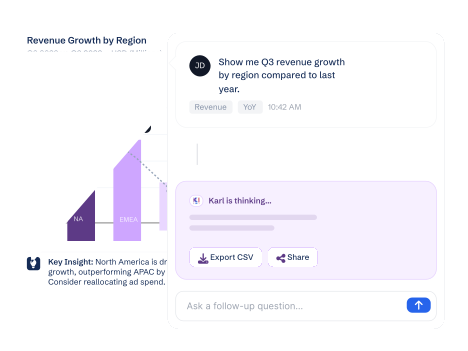
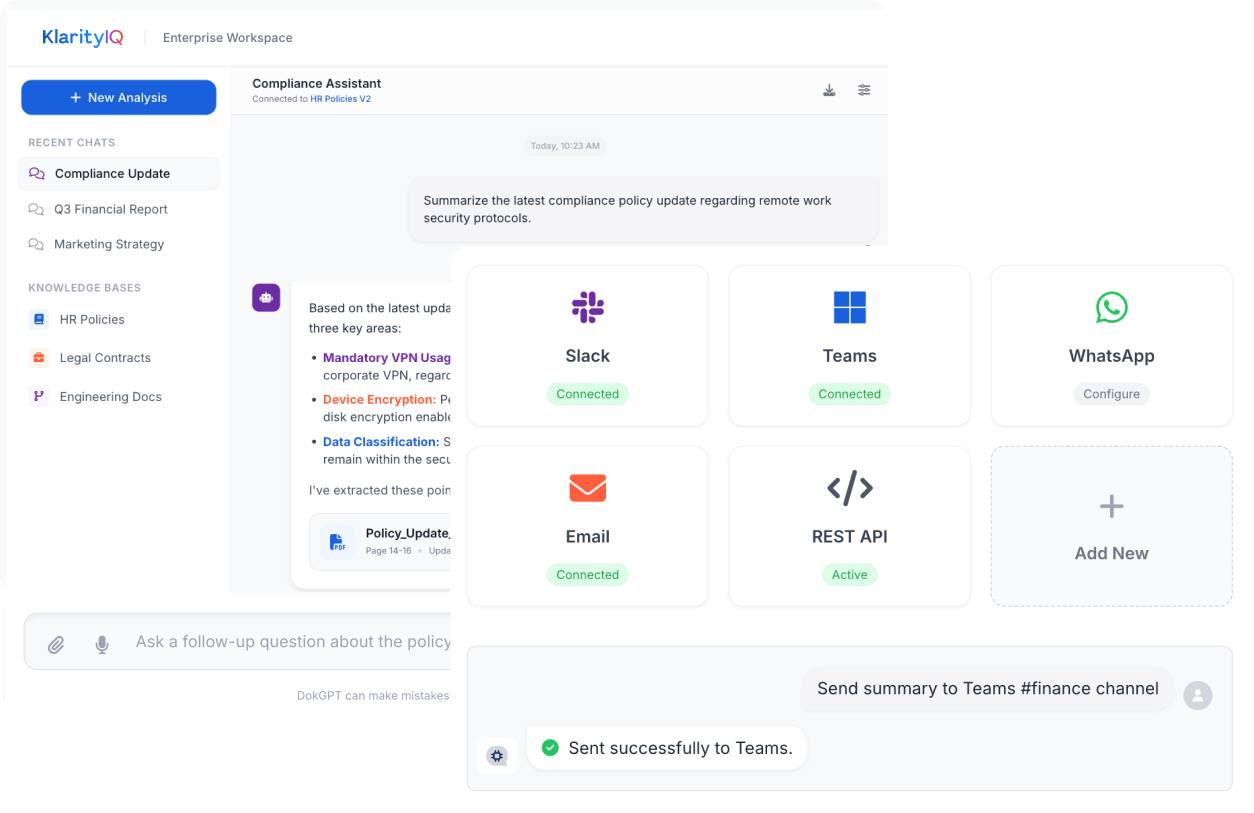
FLIP’s AI agents, like KlarityIQ and Karl, handle document search, data insights, and process automation. KlarityIQ answers questions about your documents in plain English, and Karl turns business questions into SQL. They help users retrieve information, analyze trends, and manage workflows through natural language.
Does FLIP support data migration?
Absolutely. FLIP automates migrations from legacy systems like SSIS, Tableau, and Crystal Reports to modern platforms such as Microsoft Power BI and Fabric, minimizing manual work, risk, and downtime during transitions.
How secure is FLIP?
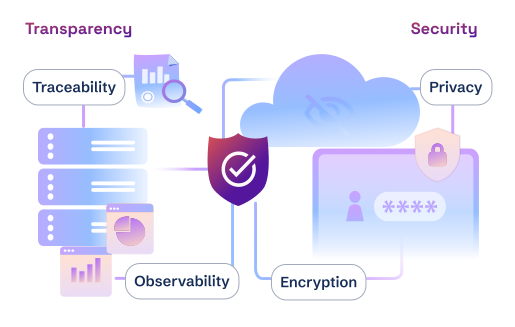
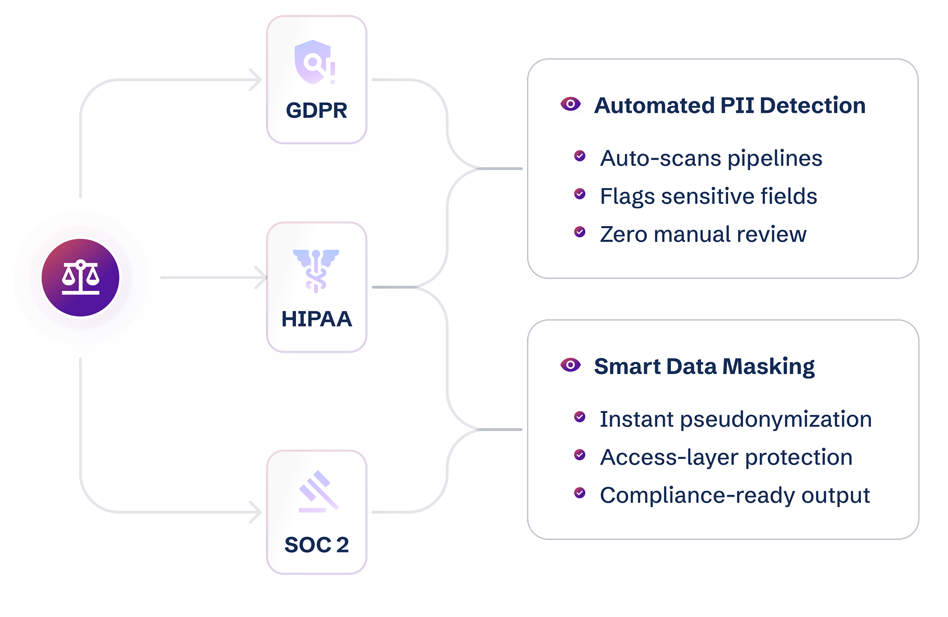
FLIP follows enterprise-grade security protocols, including end-to-end encryption, secure access controls, and full compliance with data privacy laws. It ensures sensitive information stays protected while maintaining system reliability and transparency.
What makes FLIP different from other automation tools?
Unlike traditional tools, FLIP combines AI, automation, and no-code design in one platform. It allows teams to automate workflows, analyze data, and manage migrations without writing code or depending heavily on IT.
What is data pipeline automation, and how does FLIP automate data pipelines?
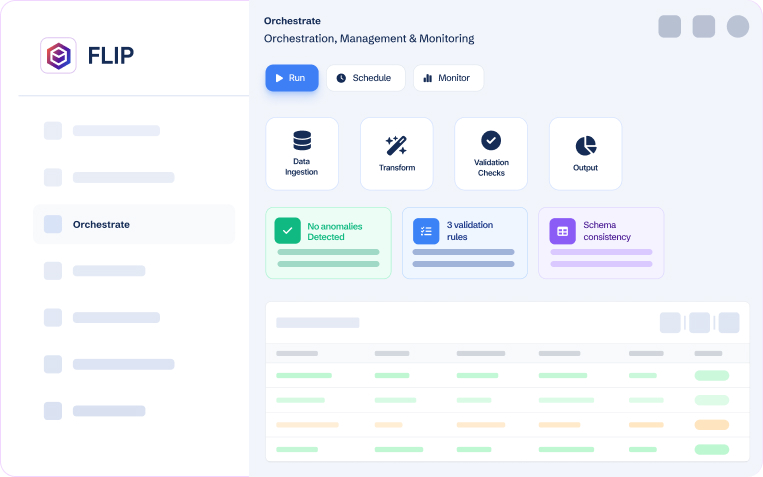
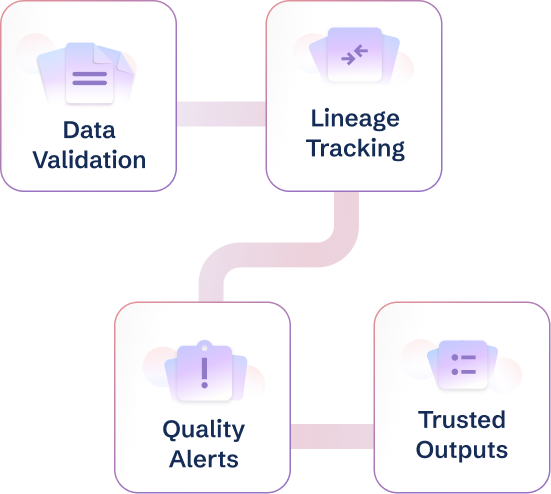
Data pipeline automation means building, scheduling, and monitoring data workflows without hand-coding each step. FLIP lets teams design pipelines visually, schedule and sequence them across the stack, and run automated checks at every stage so bad data is caught before it reaches reports. FLIP DataOps adds pre-built connectors and a GenAI copilot. For a deeper explanation, read our guide to data pipeline automation.
Can FLIP reconcile and validate data between systems?
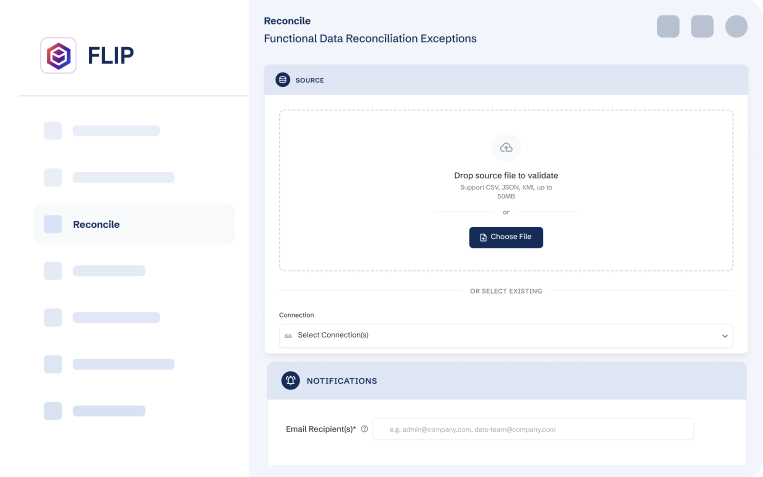
Yes. FLIP compares data across systems such as your ERP, warehouse, and CRM, and flags mismatches automatically. It runs anomaly checks at each pipeline stage, sends alerts when values fall outside the thresholds you set, and keeps a timestamped audit trail of every comparison, flag, and resolution. After a migration, Klarity360 automates source-to-target data validation with business rules and audit-ready reconciliation. To learn the basics, see our guide to data reconciliation.
Is FLIP data migration software, and what can it migrate?
Yes. FLIP includes migration accelerators that move legacy BI tools, ETL pipelines, data warehouses, and RPA workflows to modern platforms. Targets include Power BI, Microsoft Fabric, Azure Synapse, and Databricks, with automated source-to-target mapping and schema conversion. Paths include Informatica to Databricks, Tableau to Power BI, and SSIS to Microsoft Fabric. See the full list on our data migration services page.
Which business processes can FLIP automate beyond data work?
You can book a free demo or consultation through Kanerika’s website. Our team will guide you through FLIP’s setup, show key features, and help you identify where automation can add the most value.
Manage cookie consent
We use cookies to give you the best experience. Cookies help to provide a more personalized experience and relevant advertising for you, and web analytics for us.
Functional
Always active
We use cookies to enhance your experience. Consenting allows us to process data like browsing behavior or unique IDs. Not consenting may affect site functionality.
Preferences
The technical storage or access is necessary for the legitimate purpose of storing preferences that are not requested by the subscriber or user.
Statistics
The technical storage or access that is used exclusively for statistical purposes.We use cookies to enhance your experience. Consenting allows us to process data like browsing behavior or unique IDs. Not consenting may affect site functionality.
Marketing
We use cookies to enhance your experience. Consenting allows us to process data like browsing behavior or unique IDs. Not consenting may affect site functionality.